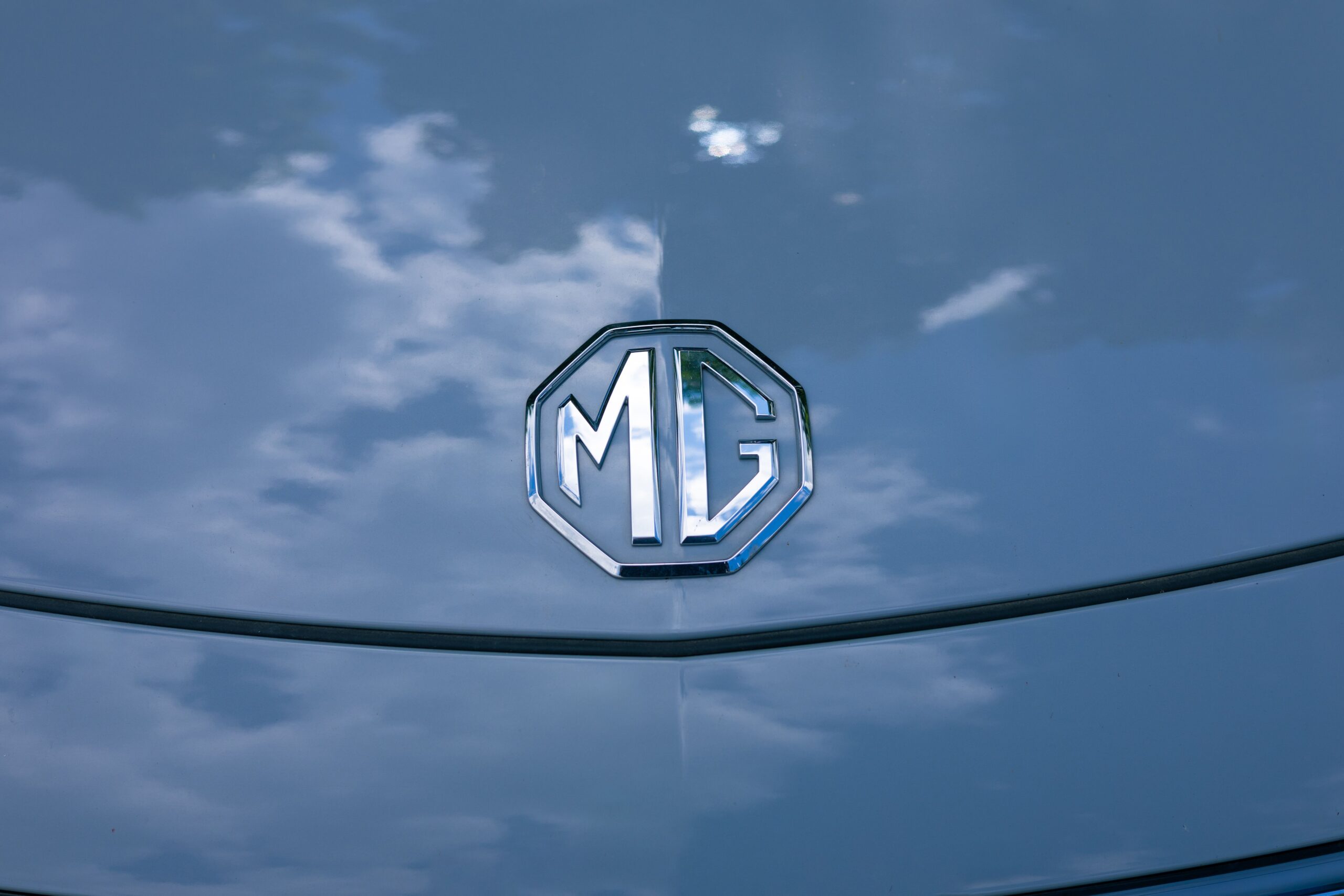
MG has built a distinctive position in the Indian car market by focusing heavily on technology, connected features, premium-looking interiors and electric mobility. The brand entered the Indian passenger-car market with the Hector in 2019 and has since expanded its range across compact cars, SUVs, electric vehicles and premium models.
Today, MG’s Indian portfolio includes the Comet EV, Astor, Windsor EV, ZS EV, Hector and premium vehicles sold through the MG SELECT channel. The company has also expanded its electric-vehicle portfolio, making charging access and running costs increasingly important considerations for buyers.
However, choosing an MG should not be based only on the number of features offered. The right model depends on how the vehicle will be used, the number of passengers, driving distance, access to charging, preferred powertrain and expected ownership costs.
This guide looks at MG cars from a buyer’s perspective, including their strengths, limitations, powertrain choices, safety and technology, ownership considerations and which type of buyer each model may suit.
MG Cars in India: Current Range
MG Model
Type
Powertrain
Suitable For
MG Comet EV
Compact electric car
Electric
City commuting
MG Astor
Compact SUV
Petrol
Urban SUV buyers
MG Windsor EV
Electric crossover
Electric
Family EV buyers
MG ZS EV
Electric SUV
Electric
Premium EV buyers
MG Hector
Mid-size SUV
Petrol
Family buyers
MG Gloster
Full-size SUV
Diesel
Large families and highway use
MG M9
Luxury MPV
Electric
Premium family/executive travel
MG Cyberster
Electric roadster
Electric
Performance enthusiasts
MG’s official website also lists newer and upcoming products such as the Majestor and Hector Tomahawk variants, so buyers should check the latest availability and variant details before booking.
Which MG Car Should You Buy?
Instead of asking which MG is the “best”, it is more useful to match the car with your actual requirements.
Your Requirement
MG Model to Consider
Why
Small city EV
Comet EV
Compact dimensions and easy parking
Petrol compact SUV
Astor
Manageable size and feature-rich cabin
Family EV
Windsor EV
More space and practicality than Comet
Premium electric SUV
ZS EV
Larger SUV format and EV powertrain
Spacious family SUV
Hector
Large cabin and strong equipment
Full-size SUV
Gloster
Larger cabin and highway-oriented character
Luxury family MPV
M9
Premium passenger-focused layout
Electric performance car
Cyberster
Two-door electric roadster format
The important point is that these cars serve very different purposes. A buyer who mainly drives inside a city has different priorities from someone regularly travelling long distances with six or seven passengers.
MG Comet EV: Best for Compact City Driving
The MG Comet EV is built around a simple idea: make urban driving easier with a very compact electric car.
Its small footprint can be particularly useful in crowded cities where parking space and narrow roads are daily concerns. The electric powertrain also makes it suitable for short-distance commuting when charging is convenient.
What works well
Very compact dimensions
Easy manoeuvrability in traffic
Electric powertrain
Low routine energy cost compared with conventional fuel
Technology-focused cabin
What to consider
The Comet should not automatically be treated as a replacement for a conventional family hatchback. Rear-seat requirements, luggage space and regular highway travel should be considered before buying.
Charging access is another important factor. A buyer who can conveniently charge at home has a different ownership experience from someone who depends entirely on public chargers.
Best suited to: city commuters, professionals, students and households looking for a compact second car.
MG Astor: A Petrol Compact SUV Option
The MG Astor remains relevant for buyers who want a petrol-powered compact SUV with a technology-focused cabin.
Its appeal comes from the combination of SUV styling, cabin equipment, connected features and available driver-assistance technology on applicable variants.
What works well
Premium-feeling interior
Strong equipment list
Compact SUV dimensions
Petrol powertrain
Available ADAS features on selected variants
What to consider
Buyers should compare the exact variant before making a decision because safety and convenience equipment can vary across versions. Transmission choice, price and intended driving conditions also matter.
The Astor makes more sense for someone who wants a conventional petrol vehicle and does not want to plan daily driving around charging.
Best suited to: urban buyers wanting a feature-rich petrol compact SUV.
MG Windsor EV: A More Practical Family EV
The Windsor EV occupies an important position in MG’s electric portfolio because it is designed to offer more space and everyday practicality than a very small city EV.
It can work well for commuters and families who want an electric vehicle for regular use, provided charging arrangements are convenient.
MG reported in July 2026 that the Windsor had crossed 75,000 units sold in India since launch and had recorded more than 19,000 units in 2026 at that point. These are manufacturer-reported sales figures, not an independent reliability assessment.
What works well
More practical family layout
Electric powertrain
Spacious cabin
Technology and connected features
Suitable for regular urban and mixed driving
What to consider
Real-world EV range can vary according to speed, traffic, climate, driving style and air-conditioning use. Buyers should also check home-charging possibilities and the availability of convenient public chargers on regular routes.
Best suited to: families and commuters with reliable home or workplace charging.
MG ZS EV: Premium Electric SUV Choice
The ZS EV gives buyers an electric SUV option above the smaller MG electric models. It combines SUV proportions with an electric powertrain and a technology-oriented cabin.
The ZS EV can be considered when a buyer wants more SUV presence and space than a compact EV but does not want to move to a much larger vehicle.
What works well
SUV body style
Electric powertrain
Premium cabin experience
Useful technology features
More substantial road presence
What to consider
Compare the ZS EV directly with the Windsor EV and other electric SUVs before deciding. Purchase price, usable range, charging speed, insurance and available features can make a significant difference to total ownership cost.
Best suited to: buyers wanting a more premium MG electric SUV.
MG Hector: Spacious Family SUV
The Hector was the model that established MG as a significant mainstream SUV brand in India. Its major strengths have traditionally included cabin space, connected technology and a long equipment list.
For family buyers, the Hector’s size can be an advantage on longer journeys, although its dimensions may require more attention in crowded urban areas.
What works well
Spacious cabin
Family-friendly layout
Large infotainment and connected features
Petrol powertrain options
Strong equipment levels
What to consider
Do not choose the Hector simply because it is larger. If most driving is done in congested areas with limited parking, a smaller SUV may be easier to live with.
Buyers should also compare the price of higher variants with competing SUVs rather than comparing only the entry-level prices.
Best suited to: families looking for a spacious, technology-rich mid-size SUV.
MG Gloster: Large SUV for Highway and Family Use
The Gloster targets a different customer from the Astor or Hector. Its larger dimensions, premium positioning and highway-oriented character make it more suitable for buyers who regularly need a large SUV.
What works well
Large cabin
Strong road presence
Comfortable long-distance character
Premium equipment
Suitable for large families
What to consider
A large SUV also brings higher ownership considerations. Fuel consumption, insurance, tyres, servicing and replacement parts should be included in the budget.
If the vehicle will mostly carry one or two people in the city, its size may be unnecessary.
Best suited to: buyers who regularly travel with family and want a large premium SUV.
MG M9 and Cyberster
MG’s premium MG SELECT channel has expanded the brand beyond conventional SUVs.
The M9 is a luxury electric MPV aimed at premium family and executive travel, while the Cyberster is a two-seat electric roadster focused much more strongly on performance and design.
The Cyberster was launched in India with a dual-motor all-wheel-drive setup, 510 PS and 725 Nm, while MG quoted a 0–100 km/h time of 3.2 seconds.
These vehicles are not direct alternatives to the Comet, Astor or Hector. Their purpose is different, so buyers should evaluate them according to luxury, performance, passenger experience and charging requirements rather than practicality alone.
MG’s current MG SELECT pages list the M9 and Cyberster as available products, with prices subject to the latest applicable pricing and editions.
Petrol vs Diesel vs Electric: Which MG Powertrain Makes Sense?
Petrol
Petrol makes sense for buyers who want familiar refuelling and do not want to plan their driving around charging.
It can be a practical choice for mixed city and highway use, especially where annual mileage is moderate.
Diesel
Diesel remains relevant mainly for buyers choosing larger SUVs and covering substantial highway distances.
However, fuel economy should not be considered in isolation. Insurance, maintenance, tyres and purchase price also contribute to ownership cost.
Electric
An EV can offer lower energy costs and quiet operation, but charging availability is one of the most important ownership factors.
Before purchasing an MG EV, check:
Whether home charging is possible
Availability of a suitable electrical connection
Public chargers on regular routes
Charging time
Real-world range expectations
Battery warranty
Insurance cost
Service-centre support
MG’s website also provides EV-related tools such as charger-location and trip-planning features.
Safety and Technology: Look Beyond the Feature List
MG vehicles are known for offering substantial technology and convenience equipment, but buyers should distinguish between features and safety performance.
Depending on the model and variant, equipment can include airbags, electronic stability control, parking cameras or sensors, tyre-pressure monitoring and ADAS functions.
ADAS can help with driver assistance, but it should not be treated as a replacement for attentive driving.
Similarly, a long equipment list does not automatically mean that one vehicle is safer than another. Buyers should check the exact variant’s safety equipment and independent crash-test information where available.
Technology should also be judged by usefulness. A large screen or connected feature is valuable only if it improves the ownership experience rather than simply increasing the specification list.
MG Ownership: What Should You Check?
A car’s purchase price is only one part of ownership.
Before booking an MG, check:
Nearest service centre – particularly important if you live outside a major city.
Routine service cost – request an estimate for the exact model and variant.
Insurance premium – compare quotes before finalising the purchase.
Tyre and brake costs – especially on larger or premium models.
Warranty coverage – understand what is included and for how long.
EV battery warranty – important for electric models.
Charging installation – include the cost and practicality of home charging.
Resale expectations – consider expected ownership period and local demand.
MG has expanded its sales and after-sales footprint significantly. The company reported more than 543 sales and aftersales touchpoints across 270 cities in 2025. Buyers should still verify the nearest current service facility because network availability can change.
MG Resale Value: What Buyers Should Know
Resale value should not be judged only from the brand name.
Factors such as model demand, vehicle condition, kilometres driven, service history, fuel type, ownership period and local demand can all influence resale value.
MG has a shorter history in India’s passenger-car market than some established mass-market manufacturers, so long-term resale trends across its entire range are less established.
This does not automatically make an MG a poor choice. It simply means buyers who plan to sell the vehicle after a short ownership period should compare expected resale value along with purchase price and financing costs.
MG vs Kia: What Should You Compare?
MG and Kia both compete in parts of the Indian market with technology-rich vehicles, modern interiors and strong feature lists.
Rather than comparing the brands as a whole, compare the specific vehicles you are considering.
Look at:
Ex-showroom and on-road price
Cabin space
Powertrain
Automatic/manual transmission
Safety equipment
ADAS availability
Real-world fuel economy or EV range
Service availability
Insurance cost
Warranty
Resale expectations
A model-to-model comparison is more useful than deciding that one entire brand is automatically better.
Common Mistakes to Avoid When Buying an MG
Buying an EV without reliable charging
An EV can become inconvenient if charging at home or work is difficult.
Choosing a large SUV unnecessarily
More space is useful only when you regularly need it. A smaller vehicle can be easier to park and cheaper to operate.
Paying for features you will rarely use
Higher variants can add many convenience features. Decide which ones actually matter to your daily driving.
Comparing only the ex-showroom price
On-road price, insurance, accessories, financing and registration can substantially increase the final amount.
Comparing only claimed mileage or range
Actual fuel economy and EV range depend on driving conditions, traffic, speed, climate and driving style.
Who Should Consider an MG Car?
MG can make sense for buyers who place significant importance on:
Connected-car technology
Feature-rich interiors
Distinctive design
Electric-vehicle choices
Spacious family vehicles
Premium technology
However, buyers who prioritise the widest possible service coverage, very predictable long-term resale data or the lowest possible ownership cost should compare several brands and models before making a decision.
Frequently Asked Questions
Which MG car is suitable for city driving?
The Comet EV is designed specifically around compact urban mobility. Buyers wanting more space can consider the Astor or Windsor EV depending on whether they prefer petrol or electric power.
Which MG is suitable for a family?
The Hector is a practical choice for buyers who want a spacious family SUV. Buyers needing a different body style or premium passenger experience can consider the larger or luxury models.
Is an MG EV suitable for long-distance travel?
It depends on the vehicle’s usable range, charging availability and your regular routes. Long-distance EV ownership becomes much easier when reliable charging is available at home and along frequently used highways.
Are MG cars expensive to maintain?
Maintenance depends on the model, location, usage and service requirements. EVs generally have fewer routine powertrain maintenance items than combustion vehicles, but insurance, tyres, brakes, battery-related components and other expenses still need to be considered.
Does every MG car have ADAS?
No. ADAS availability depends on the model and variant. Buyers should check the exact version rather than assuming that every MG receives the same safety technology.
What should I check before buying an MG EV?
Check home-charging feasibility, public charging availability, real-world range, battery warranty, insurance cost, service support and the total on-road price.
Final Takeaway
MG’s biggest distinction in India is the combination of technology-focused vehicles and a growing electric portfolio. However, its models are designed for very different types of buyers.
The Comet EV is primarily an urban mobility solution, the Astor provides a conventional petrol compact SUV option, the Windsor EV targets everyday family EV use, the ZS EV offers a larger electric SUV format, while the Hector and Gloster address progressively larger family requirements. The M9 and Cyberster sit in a separate premium category.
The most useful way to choose an MG is therefore not to start with the longest feature list. Start with your daily driving, passenger requirements, charging situation, budget and expected ownership period.
Prices, variants, equipment and availability can change, so always verify the exact specification and current on-road price before booking.
CarVZone Note: This guide is intended for general automotive information and buyer research. Specifications, prices, features and availability may change. Always verify current details with MG Motor India or an authorised dealer before making a purchase.
Contact CarVZone:
Have a question about buying or selling a car?
Our team is here to help. Whether you need assistance with vehicle listings, account support, or general inquiries, feel free to contact us.
We aim to respond to all messages as quickly as possible and provide reliable support for every user.





Comments (14)
Audi Cars in India (2026): Complete Guide
[…] MG Cars in India (2026): Complete Guide […]
Škoda Cars in India (2026): Complete Guide
[…] MG Cars in India (2026): Complete Guide […]
Toyota Cars in India (2026): Complete guide
[…] MG Cars in India (2026): Complete Guide […]
Mercedes-Benz Cars in India (2026): Complete Guide
[…] MG Cars in India (2026): Complete Guide […]
BMW Cars in India (2026): Complete Guide
[…] MG Cars in India (2026): Complete Guide […]
Honda Cars in India (2026): Complete guide
[…] MG Cars in India (2026): Complete Guide […]
Kia Cars in India (2026): Complete guide
[…] MG Cars in India (2026): Complete Guide […]
Volkswagen Cars in India(2026): Complete guide
[…] MG Cars in India (2026): Complete Guide […]
Renault Cars in India(2026):Complete Guide
[…] MG Cars in India (2026): Complete Guide […]
Mahindra Cars in India (2026): Complete guide
[…] MG Cars in India (2026): Complete Guide […]
Tata Motors Cars in India(2026): complete guide
[…] MG Cars in India (2026): Complete Guide […]
Hyundai Cars in India (2026): Complete guide
[…] MG Cars in India (2026): Complete Guide […]
Maruti Suzuki Cars in India (2026): Complete guide
[…] MG Cars in India (2026): Complete Guide […]
BYD Cars in India (2026): Complete Guide
[…] MG Cars in India (2026): Complete Guide […]