Volkswagen Cars in India (2026): Price, Features, Mileage, Popular Models & Complete Buying Guide
Introduction
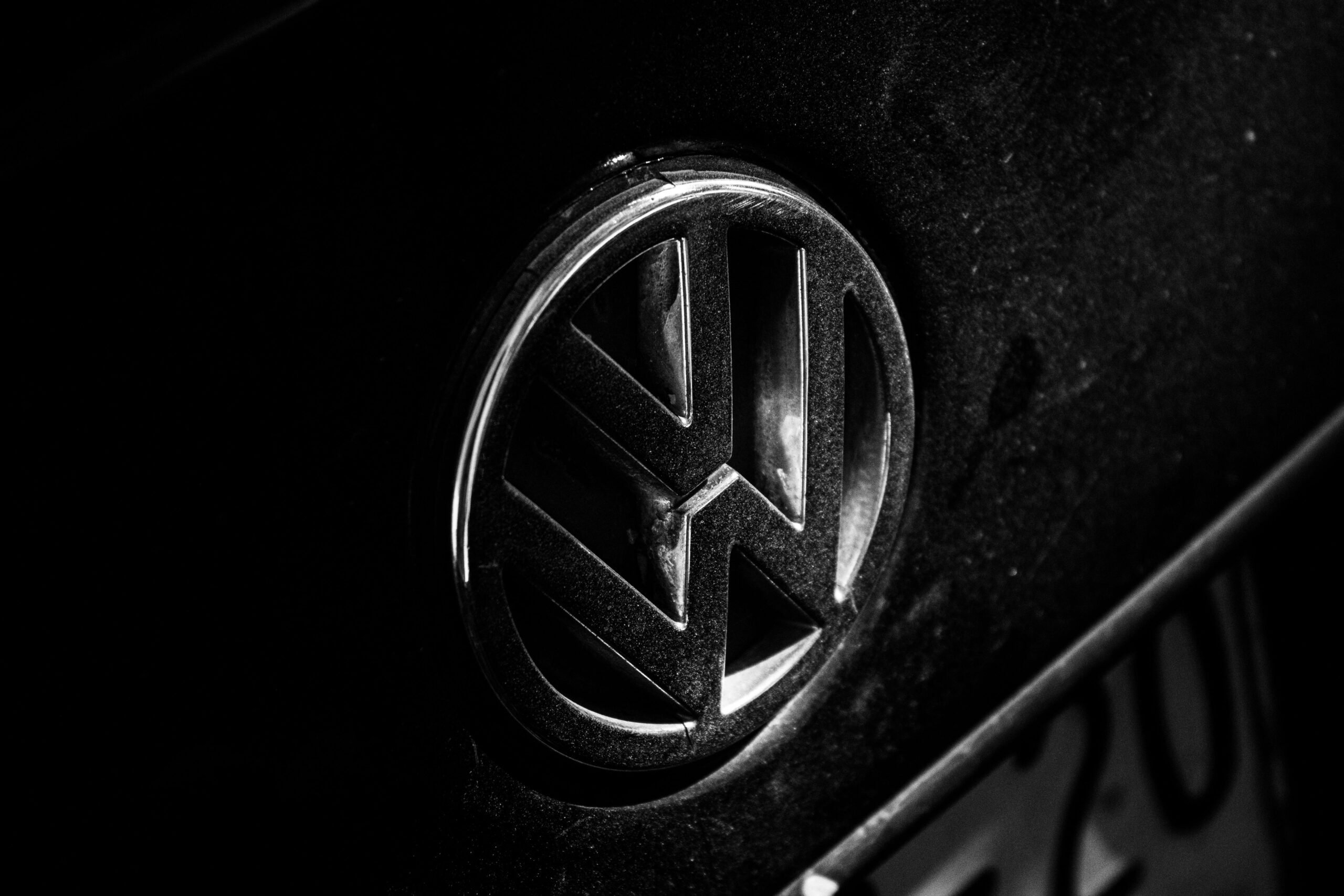
Volkswagen is a German automobile manufacturer known for its solid build quality, turbocharged petrol engines and driver-focused engineering. In India, the brand appeals to buyers who want a combination of everyday practicality, confident highway performance, modern features and a premium driving experience.
Volkswagen’s current Indian lineup covers different needs, from the Virtus sedan and Taigun compact SUV to premium imported vehicles such as the Tiguan, Tayron and Golf GTI. Each model serves a different audience. The Virtus suits buyers who prefer a spacious sedan, while the Taigun offers SUV practicality without becoming difficult to manage in city traffic. The imported models cater to customers looking for a larger premium SUV or a more performance-oriented car.
Volkswagen entered the Indian market in 2007 and gradually established its presence through models such as the Polo, Vento, Jetta and Passat. The Polo became particularly popular among buyers who appreciated its handling and solid construction. Later, the company’s India 2.0 strategy introduced the Taigun in 2021 and the Virtus in 2022, both developed on the MQB A0 IN platform for the Indian market.
This guide covers Volkswagen’s brand characteristics, popular models, engine options, mileage considerations, advantages, disadvantages and the factors worth checking before you buy.
Volkswagen has built its reputation around engineering, stable handling and turbo-petrol performance. Rather than competing solely on the number of features offered, the brand places considerable emphasis on how its vehicles behave on the road.
1. TSI Turbo-Petrol Engines
Volkswagen’s TSI engines are designed to provide responsive acceleration and useful performance across city and highway driving. The 1.0-litre engine suits everyday commuting, while the 1.5-litre engine offered in selected variants provides stronger performance for buyers who enjoy driving.
Fuel consumption depends on traffic, driving style, transmission and road conditions. Buyers should compare real-world mileage reports rather than assuming that a turbo-petrol engine will always deliver its claimed efficiency.
2. Confident Highway Behaviour
The Virtus and Taigun are known for their composed road manners and stable handling. This can be valuable for buyers who regularly travel between cities or use highways on weekends.
However, highway stability should not be confused with permission to drive faster than road conditions allow. Tyres, braking distance, visibility and driver attention remain important.
3. Shared Engineering with Škoda
The Virtus and Taigun use the MQB A0 IN platform, which is also used by the Škoda Slavia and Kushaq. Although the underlying architecture is shared, the models have different styling, cabin layouts, equipment combinations and driving characteristics.
Comparing the Volkswagen and Škoda alternatives can help buyers decide which design, features and ownership package better suits their needs.
4. Safety and Build Quality
Volkswagen vehicles are associated with solid body construction and a focus on occupant protection. Nevertheless, safety equipment varies by model and variant. Buyers should check the exact airbag count, electronic stability control, child-seat mounting points and any available driver-assistance systems before making a decision.
Safety ratings should also be checked against the specific model and testing programme rather than applied to the entire brand.
5. Locally Manufactured and Imported Cars
The Virtus and Taigun are locally manufactured in India, while premium offerings such as the Tiguan, Tayron and Golf GTI have different import and pricing considerations. Imported vehicles can cost considerably more, so buyers should examine servicing arrangements, parts availability, warranty coverage and insurance costs alongside the purchase price.
Volkswagen Cars in India: Popular Models
1. Volkswagen Virtus
The Volkswagen Virtus is a mid-size sedan designed for buyers who want a spacious cabin, a useful boot and an engaging driving experience. Its long-wheelbase proportions and sedan layout make it suitable for professionals, couples and families who do not specifically need an SUV.
The Virtus shares its platform with the Škoda Slavia but has its own exterior design, interior presentation and variant lineup. Selected versions offer the more powerful 1.5 TSI engine and sportier GT styling.
Key highlights
Sedan styling with a spacious passenger cabin
Turbo-petrol engine choices, depending on variant
Manual and automatic transmission options
Modern infotainment and digital instrumentation on selected variants
A practical boot for luggage and family travel
Sportier GT versions for driving enthusiasts
Who should consider it?
The Virtus is worth considering if you regularly travel on highways, prefer a sedan’s driving position and need space for passengers and luggage. It may be less suitable if your regular routes include rough roads, difficult parking conditions or areas where you would benefit from an SUV’s additional ground clearance.
Before buying, compare the 1.0 TSI and 1.5 TSI versions. The smaller engine can be adequate for ordinary commuting, while the larger engine makes more sense for buyers who specifically want stronger acceleration and are comfortable with the higher purchase cost.
2. Volkswagen Taigun
The Taigun is a compact SUV aimed at buyers who want a higher seating position, family-friendly practicality and confident road manners. Its dimensions make it more manageable than a large SUV, while the cabin and luggage area suit everyday use.
It competes with vehicles such as the Hyundai Creta, Kia Seltos and Škoda Kushaq. The right comparison depends on the variant and the features that matter most to you.
Key highlights
Compact SUV proportions
Turbo-petrol engine options
Manual and automatic transmission choices
Modern infotainment and connectivity features, depending on variant
Comfortable seating and practical luggage space
Sportier GT versions in selected configurations
Who should consider it?
The Taigun makes sense for families who want one vehicle for office commutes, school journeys and occasional highway trips. Its compact footprint can make it easier to handle than a larger SUV, although buyers should still check rear-seat comfort, boot space and visibility during a test drive.
Compare the Taigun with the Hyundai Creta and Škoda Kushaq for cabin features, rear-seat comfort, engine choices, warranty and service costs. Do not select a variant based on its sunroof or touchscreen alone; consider the safety equipment and the features you will actually use.
3. Volkswagen Tiguan
The Tiguan occupies a more premium position than the Taigun. It is aimed at buyers who want a larger, more upmarket SUV experience and are prepared for the associated purchase and ownership costs.
Its appeal lies in its premium presentation, performance-oriented engineering and equipment, depending on the version sold in India.
What to consider before buying
Compare the actual seating configuration of the Indian-market version.
Check the standard and optional safety equipment.
Confirm the engine, transmission and current variant availability.
Obtain an estimate for scheduled servicing, tyres, insurance and replacement parts.
The Tiguan is worth evaluating if you want a premium SUV rather than simply the largest vehicle for your budget. Buyers focused mainly on maximum passenger capacity or the lowest running costs should compare alternatives carefully.
4. Volkswagen Tayron
The Tayron extends Volkswagen’s offering into the larger premium SUV segment. It is relevant to buyers who need more cabin flexibility and want a vehicle positioned above the compact Taigun.
Depending on the version offered, seating layout, powertrain and equipment may differ. Verify the Indian-market specification before relying on international reviews.
Who should consider it?
The Tayron may suit larger families and buyers who want a premium SUV for regular family travel. Before choosing it, examine the third-row space if fitted, luggage capacity with all seats in use, ease of entry and exit, and the cost of maintaining a premium vehicle.
For families who rarely carry more than four or five people, a smaller SUV may offer better value and be easier to park.
5. Volkswagen Golf GTI
The Golf GTI is a performance-focused hatchback aimed at enthusiasts rather than buyers who simply want a conventional family car. Its appeal is the combination of a compact body, performance-oriented engineering and a more engaging driving experience.
It sits in a different category from the Virtus and Taigun, so comparing the cars purely by cabin space or purchase price would miss the point.
Who should consider it?
The Golf GTI is worth considering if you prioritise performance, responsive handling and the distinctive character of a hot hatch. It may not be the most practical option for buyers who need maximum rear-seat room, a large boot or the lowest possible ownership costs.
Because it is positioned as a premium performance vehicle, verify the current Indian-market price, warranty, servicing support and availability of replacement parts before committing.
Volkswagen Engine and Transmission Options
Volkswagen’s mainstream Indian models offer turbo-petrol engine choices, with availability depending on the model and variant.
1.0 TSI Petrol
The 1.0-litre TSI is designed for everyday driving. It can suit city commuters and buyers who also take occasional highway trips. It offers turbocharged performance without requiring the larger engine available in selected variants.
1.5 TSI Petrol
The 1.5-litre TSI is aimed at buyers who want stronger acceleration and more performance-focused driving. It can be attractive for regular highway users and enthusiasts, but its additional performance may not be necessary for every driver.
Manual and Automatic Transmissions
Manual transmissions appeal to drivers who prefer direct control over gear changes. Automatic options can make stop-and-go traffic less tiring. Volkswagen offers different transmission combinations across its range, including DSG options on selected models and variants.
Before selecting an automatic, test it in the traffic conditions you encounter most often. Also compare the price difference, warranty terms and scheduled maintenance requirements for the specific transmission.
Volkswagen Cars: Comparison at a Glance
Model
Body style
Best suited for
Virtus
Mid-size sedan
Families and professionals who prefer sedan practicality
Taigun
Compact SUV
Everyday family use and mixed city-highway driving
Tiguan
Premium SUV
Buyers seeking a more upmarket SUV
Tayron
Larger premium SUV
Buyers needing a larger SUV experience and more cabin flexibility
Golf GTI
Performance hatchback
Driving enthusiasts who prioritise performance
Model availability, seating capacity, powertrains and variant details should be confirmed against the latest Indian-market specifications.
Safety Features to Check
Volkswagen models may offer a range of safety and driver-assistance features, depending on the vehicle and variant.
When comparing cars, check for:
Airbags and their number
Anti-lock braking system with electronic brake-force distribution
Electronic stability control
Hill-hold assistance, where available
Rear parking sensors and a reversing camera
ISOFIX child-seat mounting points
Tyre-pressure monitoring, where fitted
Advanced driver-assistance systems on eligible variants
Do not assume that every item is standard across all Volkswagen cars. Check the official variant brochure and the safety assessment applicable to the exact model before buying.
Mileage and Running Costs
Mileage is an important consideration, particularly for buyers who drive every day. However, fuel efficiency depends on traffic conditions, trip length, air-conditioning use, vehicle load, tyre pressure and driving style.
For a fair comparison, look at three figures separately:
The manufacturer’s claimed fuel-efficiency figure.
Independent real-world mileage reports for the same engine and transmission.
Your own expected monthly distance and fuel expenditure.
A smaller turbo-petrol engine may be sufficient for daily commuting, while a more powerful version may appeal to buyers who value performance. Neither choice should be made using the engine size alone.
When estimating ownership costs, include fuel, insurance, scheduled maintenance, tyres, registration and any extended-warranty package. For imported models, obtain a model-specific service estimate rather than assuming costs will match those of the locally manufactured Virtus and Taigun.
Expected Volkswagen Prices in India
Volkswagen prices depend on the model, variant, powertrain, equipment and applicable taxes. Locally manufactured models and imported premium vehicles can occupy very different price brackets.
For the Virtus and Taigun, compare the entry-level and top-spec variants separately. For the Tiguan, Tayron and Golf GTI, verify the current Indian-market price and availability directly before publishing a figure.
Important: Do not mix introductory offers, on-road prices and ex-showroom prices in the same table. If you include prices, state the update date and whether the figure is ex-showroom. On-road costs can differ significantly between cities.
Pros of Buying a Volkswagen
Turbo-petrol engines with responsive performance
Confident handling and stable highway behaviour
A choice between sedan, SUV and performance-oriented body styles
Modern infotainment and convenience features, depending on variant
Shared engineering with selected Škoda models
Locally manufactured options in the mainstream range
Premium imported options for buyers seeking something more specialised
Cons of Buying a Volkswagen
Some rivals may offer more features at a similar price.
Turbo-petrol mileage can vary considerably in congested traffic.
Premium imported models can involve higher purchase and ownership costs.
Service and parts availability may vary by location and model.
The range of body styles and powertrains is more limited than that of some larger manufacturers.
Certain desirable features are restricted to specific variants.
These limitations do not affect every buyer equally. A person who values driving behaviour may accept a different feature mix, while someone focused on maximum equipment for the money may prefer a competitor.
Who Should Buy a Volkswagen?
Volkswagen is worth considering if you:
Prefer responsive turbo-petrol performance.
Frequently travel on highways.
Want a sedan or compact SUV with confident handling.
Value driving feel and solid construction.
Are willing to compare servicing and ownership costs before buying.
Want a premium performance model and have the budget for its running costs.
It may be less suitable if your main priority is the lowest purchase price, the widest choice of fuel types or the maximum number of convenience features for your money. Compare specific variants rather than judging the entire brand by one model.
Tips Before Buying a Volkswagen
Set a realistic budget: Include insurance, registration, servicing and fuel, not just the advertised starting price.
Choose the right engine: Compare the 1.0 TSI and 1.5 TSI where both are offered.
Test the transmission: Drive the manual or automatic version you intend to purchase.
Check rear-seat comfort: Take the people who will regularly travel in the car along for the test drive.
Compare safety equipment: Verify the exact variant’s safety features and any applicable crash-test rating.
Ask for a service estimate: Request a written estimate for scheduled maintenance and extended warranty options.
Check local support: Confirm that an authorised service centre is accessible from your home or workplace.
Compare rivals: Evaluate the Hyundai Verna, Hyundai Creta, Škoda Slavia and Škoda Kushaq where relevant, using equivalent variants and equipment.
Frequently Asked Questions
Which Volkswagen car is best for a family?
The Virtus and Taigun are the main options to compare for everyday family use. The Virtus suits buyers who prefer a sedan, while the Taigun offers an SUV layout. The best choice depends on passenger comfort, luggage needs, ground clearance and budget.
Which Volkswagen car is best for highway driving?
Both the Virtus and Taigun can suit regular highway travel. Compare the engine, tyres, braking equipment, ride comfort and the variant’s safety features before deciding.
Are Volkswagen cars expensive to maintain?
Ownership costs vary by model, age, mileage and service requirements. Premium imported models can have different costs from locally manufactured cars. Obtain a service estimate for the exact vehicle instead of relying on a brand-wide generalisation.
Does Volkswagen offer automatic cars in India?
Yes, automatic transmissions are offered on selected models and variants. Availability and transmission type differ across the lineup, so check the current official specification for the car you are considering.
Are Volkswagen cars fuel-efficient?
Fuel efficiency depends on the engine, transmission and driving conditions. Compare official figures with independent real-world tests of the same variant before estimating your likely running costs.
Should I buy a Volkswagen Virtus or Taigun?
Choose the Virtus if you prefer a sedan and value its boot and highway-oriented driving character. Consider the Taigun if you want an SUV body style and a higher seating position. Test-drive both and compare equivalent variants before making the decision.
Final Verdict
Volkswagen occupies a distinctive position in India’s car market by combining turbo-petrol performance, solid construction and driver-focused road manners. The Virtus and Taigun are the mainstream choices for buyers who want an everyday car with an engaging driving experience, while the Tiguan, Tayron and Golf GTI cater to more specialised premium and performance requirements.
The right Volkswagen is not necessarily the most expensive or powerful one. It is the model that fits your driving conditions, passenger requirements, budget and long-term ownership plans. Compare the current variants, verify the safety and warranty details, calculate running costs and take a proper test drive before making your final decision.
Disclaimer
This article is intended for general informational purposes. Vehicle prices, features, specifications, availability, mileage figures and warranty conditions can change. Confirm the latest details with Volkswagen India or an authorised dealer before making a purchase.
Contact CarVZone:
Have a question about buying or selling a car?
Our team is here to help. Whether you need assistance with vehicle listings, account support, or general inquiries, feel free to contact us.
We aim to respond to all messages as quickly as possible and provide reliable support for every user.






Comments (13)
Renault Cars in India(2026):Complete Guide
[…] Volkswagen Cars in India(2026): Complete guide […]
BMW Cars in India (2026): Complete Guide
[…] Volkswagen Cars in India(2026): Complete guide […]
Honda Cars in India (2026): Complete guide
[…] Volkswagen Cars in India(2026): Complete guide […]
Mahindra Cars in India (2026): Complete guide
[…] Volkswagen Cars in India(2026): Complete guide […]
Mercedes-Benz Cars in India (2026): Complete Guide
[…] Volkswagen Cars in India(2026): Complete guide […]
MG Cars in India (2026): Complete Guide
[…] Volkswagen Cars in India(2026): Complete guide […]
Škoda Cars in India (2026): Complete Guide
[…] Volkswagen Cars in India(2026): Complete guide […]
Toyota Cars in India (2026): Complete guide
[…] Volkswagen Cars in India(2026): Complete guide […]
Tata Motors Cars in India(2026): complete guide
[…] Volkswagen Cars in India(2026): Complete guide […]
Maruti Suzuki Cars in India (2026): Complete guide
[…] Volkswagen Cars in India(2026): Complete guide […]
Audi Cars in India (2026): Complete Guide
[…] Volkswagen Cars in India(2026): Complete guide […]
Kia Cars in India (2026): Complete guide
[…] Volkswagen Cars in India(2026): Complete guide […]
Hyundai Cars in India (2026): Complete guide
[…] Volkswagen Cars in India(2026): Complete guide […]